
Leading Through Human Motivation: Applying the SCARF Framework in Modern Organizations
By David McDonald
Organizations today operate in an environment defined by rapid change, distributed teams, and increasing expectations for adaptability. In these conditions, leaders often focus on systems and processes; however, the factors that shape outcomes and performance are inherently human ones.
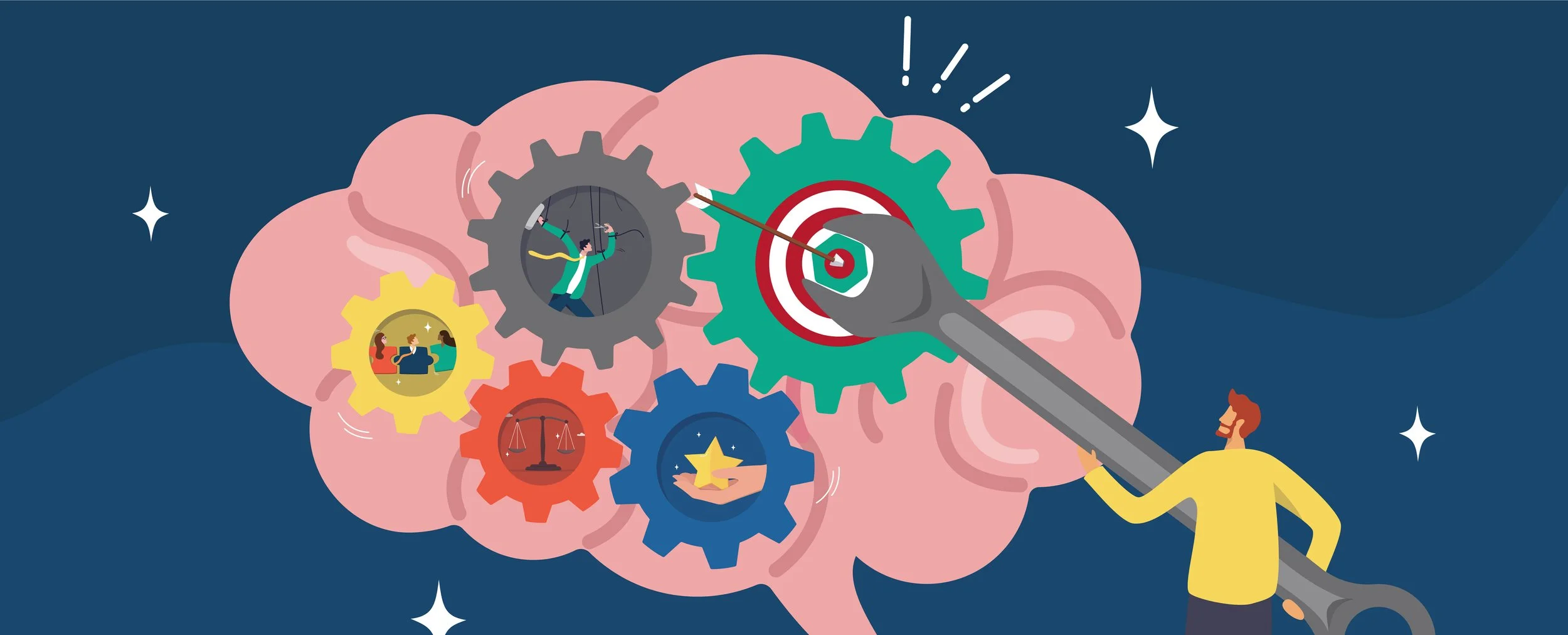
David Rock’s SCARF model provides a practical framework for understanding what motivates and discourages people in the workplace. SCARF gives language to what many leaders feel intuitively but may struggle to articulate.
During a recent Rockwood learning and development session on the SCARF model, it was striking to watch participants recognize themselves and their colleagues in the SCARF model. You could see the “aha” moments land: “Oh… that’s why this client shut down in the meeting” or “That’s why my teammate gets anxious when plans shift.”
The five domains of SCARF are:
Status: Sense of importance relative to others
Certainty: Ability to predict the future
Autonomy: Freedom to make choices
Relatedness: Connectedness and safety with others
Fairness: Perception of fair and ethical treatment
Each of these domains can trigger a reward (e.g., engagement, collaboration, creativity, etc.) or threat (e.g., withdrawal, defensiveness, reduced cognitive capacity, etc.) response in the brain. Neuroscience research shows that social distress like rejection or exclusion activates the same brain regions as physical pain, highlighting why psychological safety matters.[1] For leaders, the implication is significant: the way people experience their workplace socially has a direct impact on cognitive performance, innovation, and resilience. SCARF helps leaders shape those experiences with intention.
Why SCARF Matters for Leadership Today
A growing body of research reinforces several principles essential for effective leadership:
Social experience shapes cognitive performance. Threats triggered by uncertainty, exclusion, and/or perceived favoritism reduce problem-solving ability, creativity, and collaboration. Reward states enhance them.
Retention is tied to social needs. Feelings of exclusion negatively impact all SCARF domains and are linked with increased turnover intention, particularly when Status and Fairness are compromised.[2]
Psychological safety drives performance. High-performing teams demonstrate consistent norms of interpersonal connection, respect, and transparent interaction, closely aligning with Relatedness and Fairness.[3]
As organizations undergo constant transformation, leaders must be equipped to interpret and respond to the social needs and dynamics of their people as deliberately as they manage the operations and processes of the business. Considering the following leadership behaviors to support human motivation and reduce unnecessary threat responses within your teams.

1. Status
Help people feel valued. When individuals feel their work is recognized, they become more engaged and own the outcomes.
Leadership Practices:
Acknowledge contributions early and specifically.
Use appreciative language when seeking input.

2. Certainty
Clarify what is known and unknown. Ambiguity increases cognitive load and can impair focus and decision making. Leaders cannot eliminate uncertainty—but they can increase predictability through intentional communications and drive momentum in a shifting environment.
Leadership Practices:
Set clear expectations up front.
Communicate changes early, even when details are still evolving.
Explain decision processes and upcoming milestones.

3. Autonomy
Provide choice within established guardrails. When people feel trusted to exercise judgment, they bring greater creativity and accountability to their work. Supportive autonomy fosters initiative and innovation.
Leadership Practices:
Allow team members to determine how they approach tasks.
Avoid micromanagement.
Focus on outcomes, not rigid methods.

4. Relatedness
Foster genuine connection. Humans are wired for social belonging. Connection reinforces psychological safety and strengthens collaboration.
Leadership Practices:
Create space for brief personal check-ins.
Encourage teamwork by pairing colleagues with complementary strengths.
Model behaviors that signal respect and openness.
5. Fairness
Be transparent and consistent. Perceived favoritism or unexplained decisions quickly erode trust. Fairness stabilizes teams, especially during change.
Leadership Practices:
Explain the reasoning behind key decisions.
Consider both workloads and achievement when recognizing performance.
Remain open to feedback from all levels of the organization.
A Focused Takeaway for Leaders
The SCARF model underscores a powerful leadership principle: People do their best work when their leaders understand and support their social needs. Leaders who tailor their approach to their team members’ SCARF needs—Status, Certainty, Autonomy, Relatedness, Fairness—enable their team members to think more clearly, collaborate openly, and navigate change with greater confidence.
[1] Lieberman, M. D., & Eisenberger, N. I. (2008). The pains and pleasures of social life: A social cognitive neuroscience approach. NeuroLeadership Journal, 1, 38-43.
[2] Aplin-Houtz M. Unraveling the SCARF: How dimensions of the SCARF model influence the relationship between workplace exclusion and turnover intentions. Journal of Management & Organization. 2025;31(6):2699-2725. doi:10.1017/jmo.2025.10026
[3] Psychological Safety as a Catalyst for Innovation and Workplace Satisfaction, https://psychology.iresearchnet.com/articles/psychological-safety-as-a-catalyst-for-innovation-and-workplace-satisfaction/?